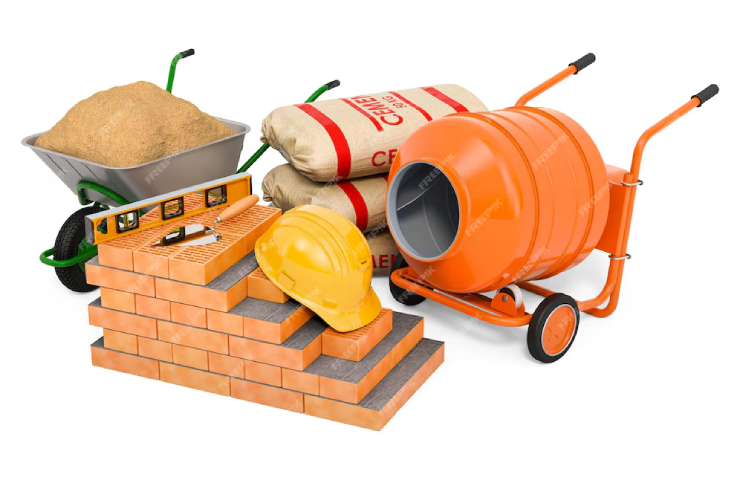
Importance of Building Material Testing in Constructions
In the construction industry, the strength and durability of a structure depend largely on the quality of materials used. Building Material Testing plays a critical role in ensuring that materials such as cement, steel, concrete, bricks, and aggregates meet required safety and quality standards.
Why Building Material Testing is Important
Ensures Structural Safety
Testing verifies the strength and load-bearing capacity of materials. It helps prevent structural failures, cracks, and long-term damage.
Maintains Quality Standards
Laboratory testing ensures materials comply with industry standards such as Bureau of Indian Standards (BIS) guidelines and other regulatory norms.
Enhances Durability
Proper testing identifies weaknesses in materials before construction begins, increasing the lifespan of buildings and infrastructure projects.
Cost Savings
Detecting material defects early reduces repair costs, maintenance expenses, and the risk of reconstruction in the future.
Regulatory Compliance
Material testing helps builders and developers meet government regulations and approval requirements, ensuring smooth project completion.
Common Materials Tested
Cement Testing
Concrete Testing
Steel Testing
Brick & Block Testing
Aggregate Testing
Each material undergoes specific laboratory tests to measure strength, composition, durability, and performance.
Conclusion
Building Material Testing is not just a technical process — it is a crucial step in ensuring safety, quality, and long-term performance in construction projects. By investing in proper testing, builders can deliver strong, durable, and compliant structures that stand the test of time.